Colonial style architecture: timeless charm for modern homes
16 dicembre 2025
Colonial style architecture is characterized by the use of materials and design elements inspired by various European traditions, adapted to colonized territories. Depending on the colonizing country and the region, the style takes on different influences materials, forms and colors tied to the local environment and climate.
What is Colonial Style architecture?
The term “colonial style” refers to a range of architectural expressions that originated in territories colonized by European powers, particularly between the 17th and 18th centuries. This style blends construction and decorative elements from the colonizing nations with local influences: a cultural and stylistic fusion combining European elegance with indigenous functionality.
What are the characteristics of the Colonial style?
The characteristics of colonial style depend on the geographic area and the dominant cultural influence.
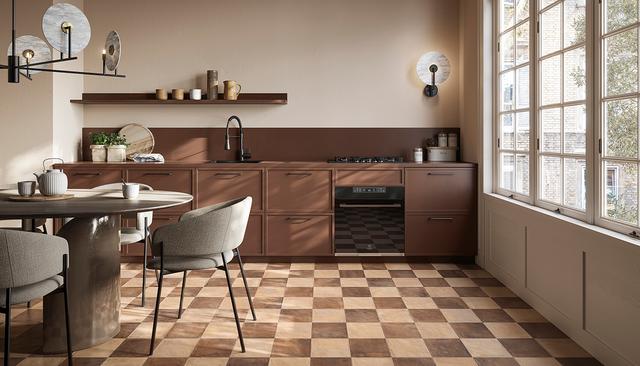
In the case of American colonial style, you’ll find simple lines, natural materials like warm-toned wood and earthy colors such as brown, burgundy, cream and beige.
African colonial style, on the other hand, features bold furnishings, warm hues, and patterns that evoke the savannah, including animal prints and handcrafted decorative pieces.
Lastly, Oriental colonial style showcases wood carvings, darker tones, and motifs inspired by Chinese art, such as dragons, lotus flowers and mountain landscapes.
Regional variations of colonial style across the U.S.
In the United States, colonial style architecture has taken on different forms based on the origin of European settlers.
French colonial style spread mainly in Louisiana and was especially suited for hot and humid climates. Homes feature wide verandas that surround the structure, allowing for natural ventilation; hipped roofs and raised foundations, as well as shutters and glass-paned doors, offer protection against heavy rains.
Spanish colonial style is common in California, Texas and New Mexico, where architecture was heavily influenced by Spanish missions. Walls are thick and low, and the buildings often have arched doorways leading into interior courtyards with fountains and gardens. Wrought iron decorative elements lend a rustic yet elegant appearance.
In New Jersey and Pennsylvania, Dutch colonial style is recognizable for its use of wood or stone and a central entrance with a portico or overhang.
German colonial style, mostly found in Maryland and Ohio, features thick stone walls, solid wood details, steeply pitched roofs, and low ceilings—typical of German rural houses.
Finally, Georgian colonial style is typical along the U.S. East Coast. These homes feature red brick façades that convey a sense of formality and symmetry, with white-framed windows and decorative trim that evoke refinement, order, and prestige. The architectural inspiration comes from English manor houses, emphasized by cobblestone or stone pathways leading to grand entrances with columns and porches.
Interiors reflect these styles as well. For instance, Dutch colonial homes often have wooden floors and large brick fireplaces that blend perfectly with the overall aesthetic. In more modern reinterpretations, it’s not uncommon to see the use of marble or marble-effect finishes, ideal for creating a contrast between warmth and sophistication.
Colonial style in contemporary homes: key design elements
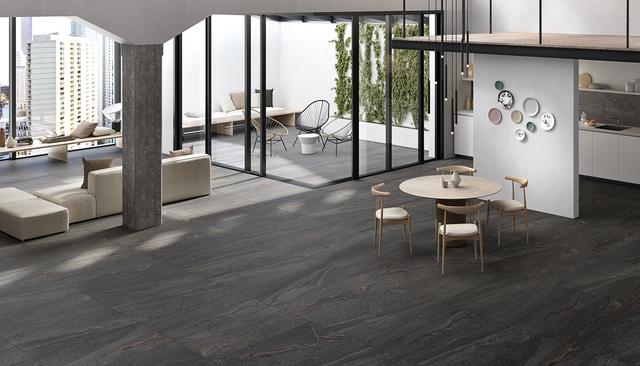
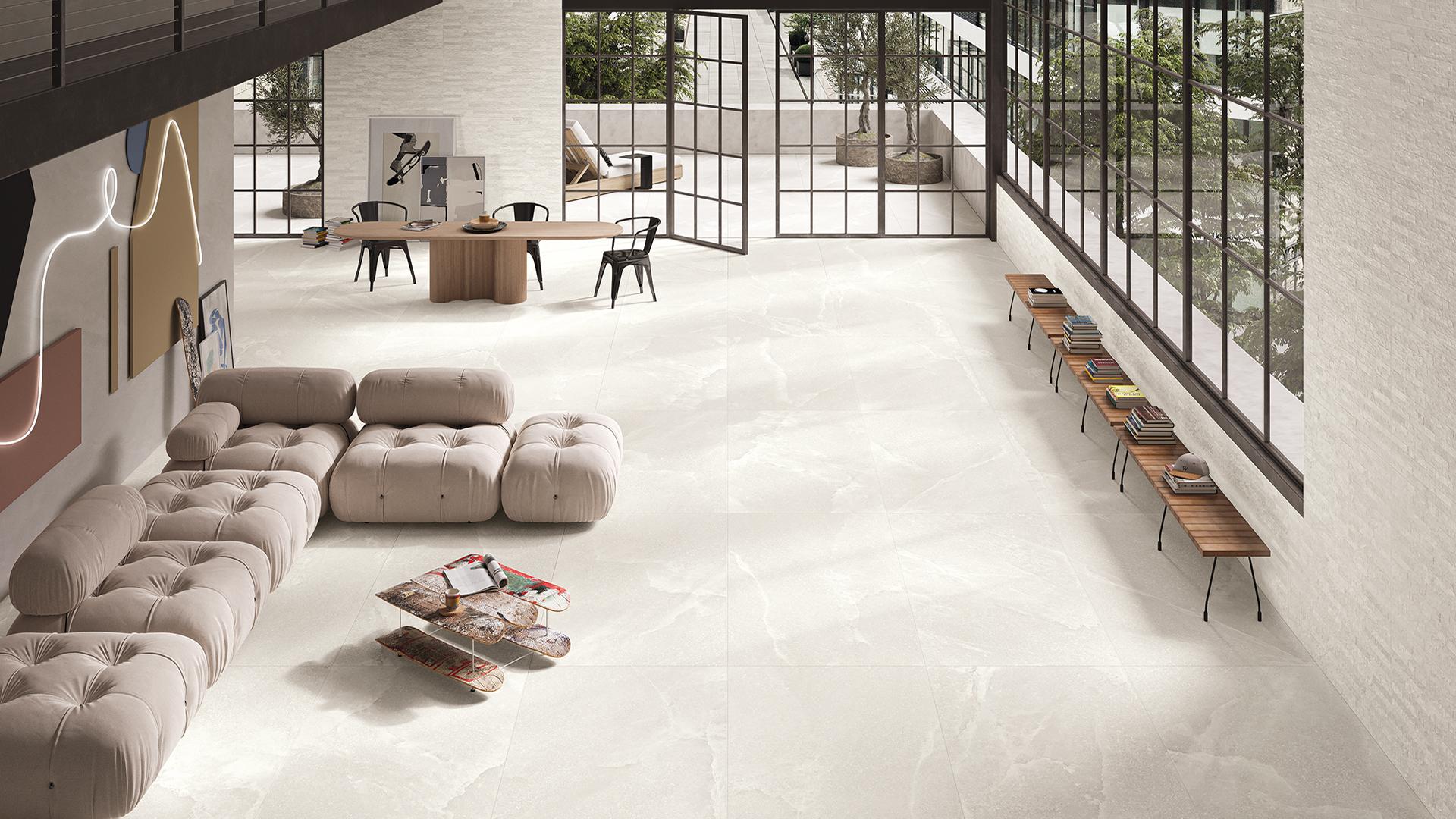
The historical charm of colonial style and its timeless elegance are being revived in modern homes as well. In particular, the symmetry of facade and centrally placed entrances can be effectively used to create a sense of balance and order. The combination of light wood-effect, stone-effect or marble-effect porcelain tiles, together with a neutral color palette, helps to recreate a welcoming and contemporary atmosphere.
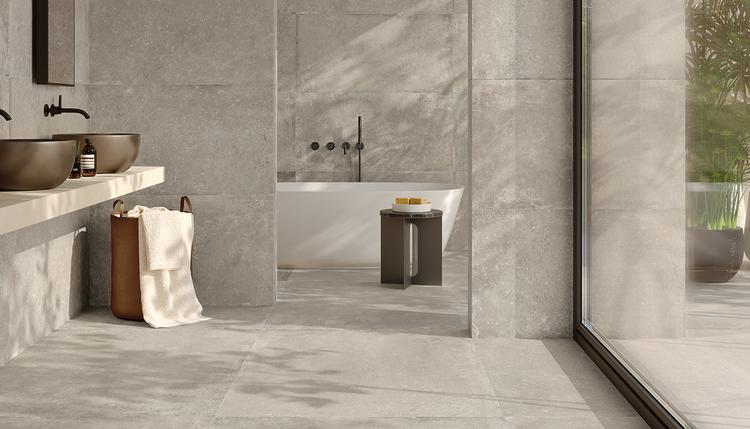
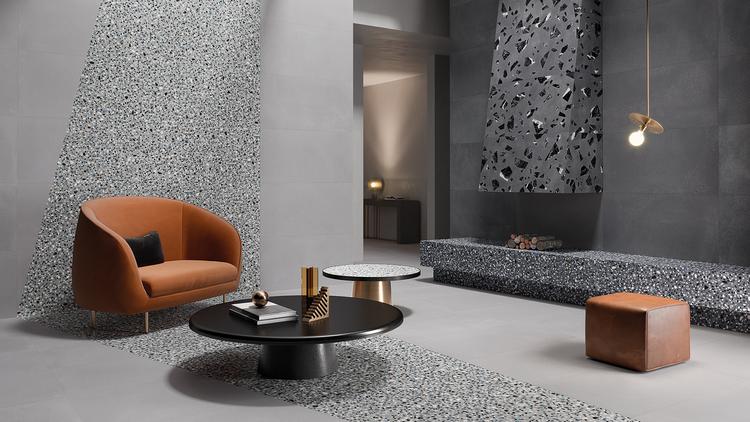
To preserve the colonial spirit while meeting modern needs, Emilgroup offers collections such as Salt Stone, Ever Stone and Unique Travertine, which combine the natural beauty of stone with the technical innovation of porcelain stoneware.
A historical example is the Abraham Manee House in Staten Island, built around 1670: a Dutch colonial-style home made of rough stone and wood, featuring a gambrel roof, casement windows, and a large central fireplace. It remains a true symbol of European colonization in the United States.
Bringing the colonial charm into your space with Emilgroup
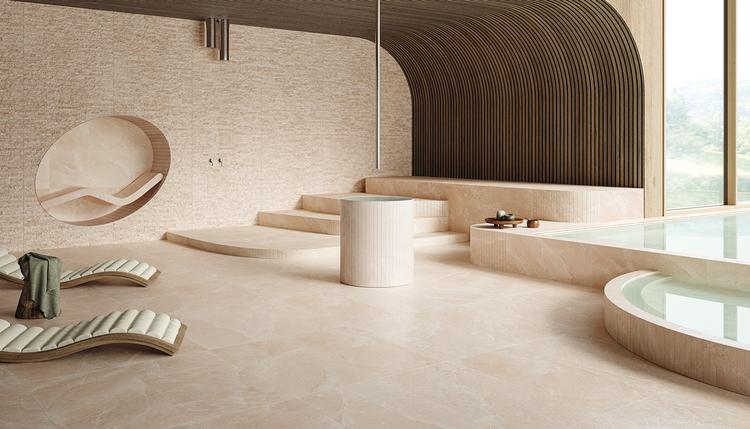
In a colonial-style bathroom, tradition engages in a dialogue with the timeless elegance of natural materials, achieving a perfect balance between rustic and sophisticated. Travertine, marble, and honed stone take center stage, setting the tone for an authentic and refined atmosphere. The color palette is soft and natural, dominated by shades of cream, beige, warm grey, and chalky white, evoking a sense of cleanliness, brightness, and harmony that helps create a relaxing and welcoming space. Boiserie, antique brass fixtures, and dark wood accents recall classical charm, while clean, minimal lines offer a more modern interpretation.
Visit the website to explore all the collections and create a space where contemporary design meets the essence of colonial architectural tradition.
Collections used in the project






Any Questions?
If you are looking for the ideal covering for your home or business or you have any questions about our collections, don’t hesitate to get in touch! Together we’ll find your perfect bespoke solution!
If you are looking for the ideal covering for your home or business or you have any questions about our collections, don’t hesitate to get in touch! Together we’ll find your perfect bespoke solution!
Enter the Emilgroup world!
Stay up to date with the latest news from the world of ceramics. Find out about our new collections, events and innovative applications of porcelain stoneware.