What is the difference between wall and floor tiles?
24 novembre 2025
Choosing between wall and floor tiles is not just a matter of aesthetics but also depends on their technical properties, which determine functionality and practicality in specific environments.
Here is a small guide to help you choose the best wall or floor tiles.
Understanding the differences between wall and floor tiles
Wall and floor tiles are not the same. Wall tiles are commonly lighter and thinner, often with smoother surfaces and equipped with decorative finishes or refined elaborations. Additionally, they are not designed to withstand heavy weights, which is why they are generally considered more fragile compared to floor tiles.
On the other hand, floor tiles are designed to be more resistant and endure frequent passage. In addition, floor tiles can also be equipped with non-slip finishes and treated with special solutions to absorb shock.
What are the technical differences between wall and floor tiles?
Ceramic tiles are classified according to the EN14411 standard, which identifies a subdivision based on the method of forming (extrusion and pressing) and water absorption. Among the essential technical characteristics that buyers should know to choose the best model of ceramic tile, we also find load resistance, a factor that significantly influences the use and durability of the tiles.
Floor tiles are indeed designed to have a low absorption rate, so as not to damage the product and ensure durability over time and resistance in humid environments such as bathrooms and kitchens. Furthermore, tiles must be able to withstand frequent passages without breaking, especially in high-traffic areas such as entrances and commercial spaces. On the contrary, wall tiles can afford a higher heat absorption rate, as they are generally not exposed to high humidity levels.
These technical properties of wall tiles and floor tiles are key to choosing the right type of tile for specific needs, ensuring an environment that is not only aesthetically pleasing but also functional and safe. A thorough understanding of the properties of tiles can help consumers and design professionals make informed choices that will better meet the challenges of each living space.
Can floor tiles be used on walls?
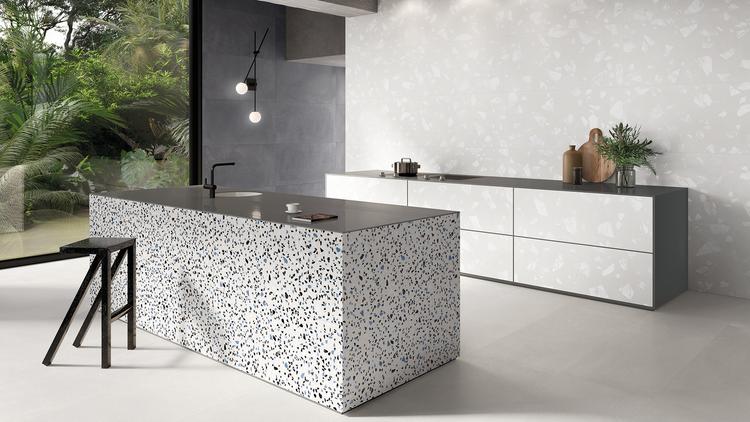
Although floor and wall tiles are often designed for specific purposes, there are situations where it may be preferable to use a single type of tile for both surfaces, creating a continuity effect that visually enlarges the space capable of making environments brighter and more open.
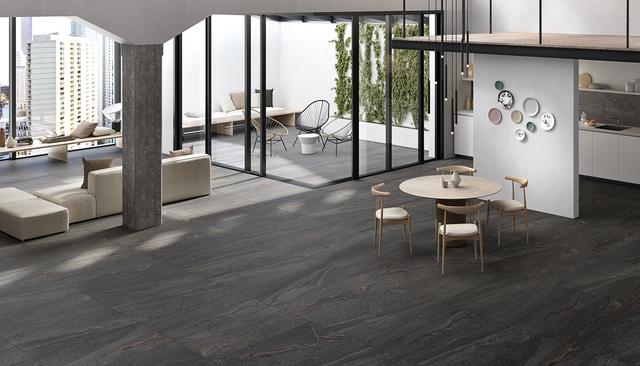
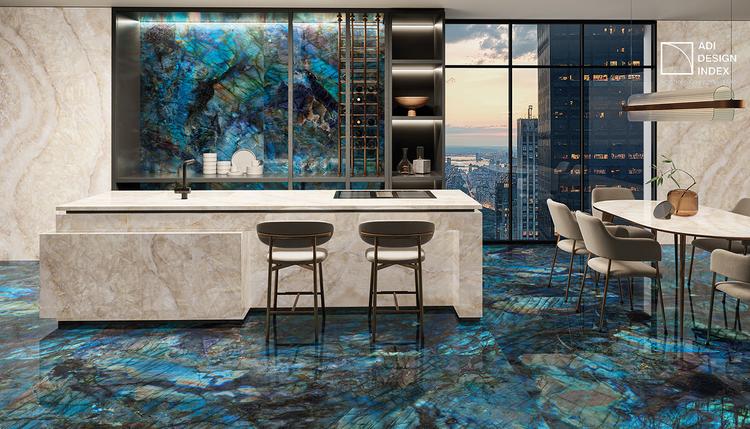
The Provenza Unique Marble collection by Emilgroup offers tiles that mimic the elegance of marble, perfect for both floors and wall claddings. These tiles bring the refinement of marble into every space, combining aesthetic beauty and the resistance of porcelain stoneware, bringing to light the timeless charm of marble and the contemporary elegance of resin.
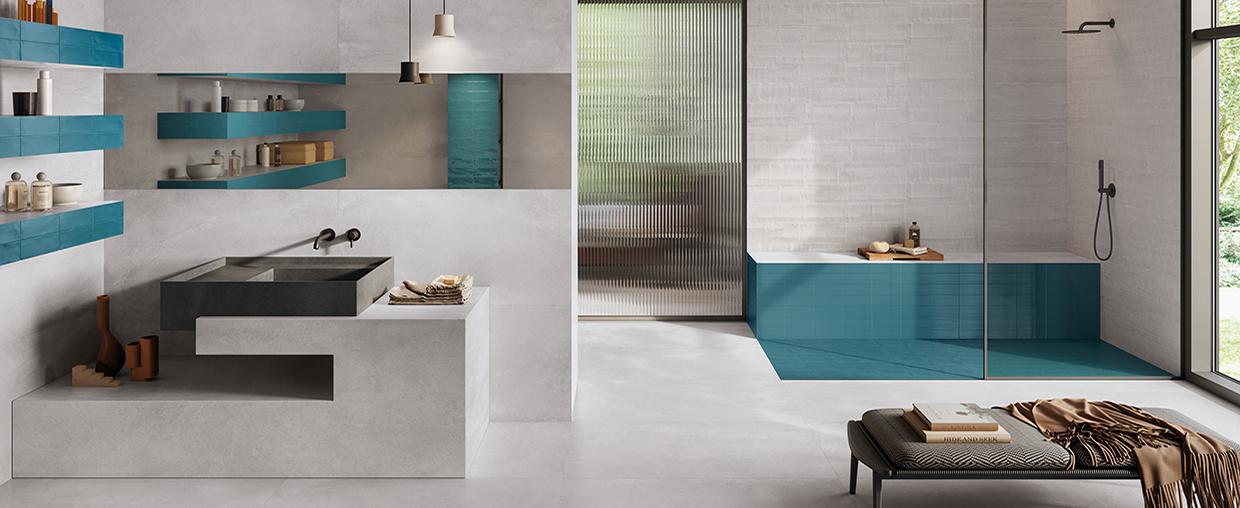
For those looking for details that make a difference, the best choice falls on the Emilceramica Tele di Marmo Lumia series. With its luminous finish and refined details, this collection is ideal for creating bright and visually expanded environments, thanks to the design that reflects light and amplifies spaces.
Floors or walls first? Tiling tips
The best way to apply tiles is to start from the floor, so as not to damage those placed on the wall. The tiles can be laid directly on the bottom after the surface has been properly prepared and cleaned. Once the impurities have been removed and leveled, you can proceed with the application of the cement adhesive and the positioning of the tiles.
If the floor surface is already tiled, you can proceed directly by gluing the new tiles using a specific adhesive.
Combining decorative wall and floor tiles
When choosing tiles for floors or walls composed of different decorations and colors, it is important to pay attention to the pairing not only with the furnishings and the style of the house but also between coverings, in order to create greater harmony in the environment.
The first thing to consider is the size of the room: for a small room, it is advisable to use tile coverings that allow visually increasing the perception of space. Conversely, a large room should use tiles to create a more intimate environment.
Moreover, the intended use of the room should not be underestimated: choosing tiles that predominantly feature certain colors can help create a relaxing environment, where lighting also plays a crucial role.
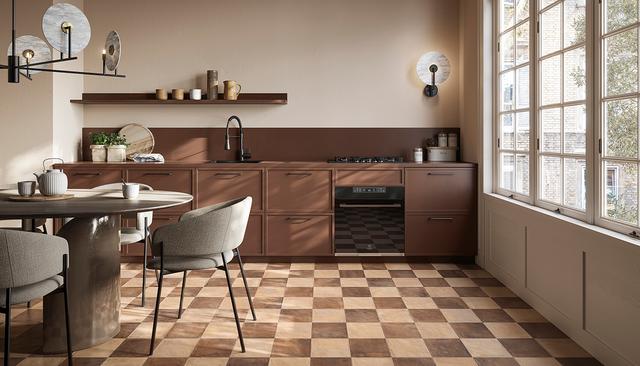
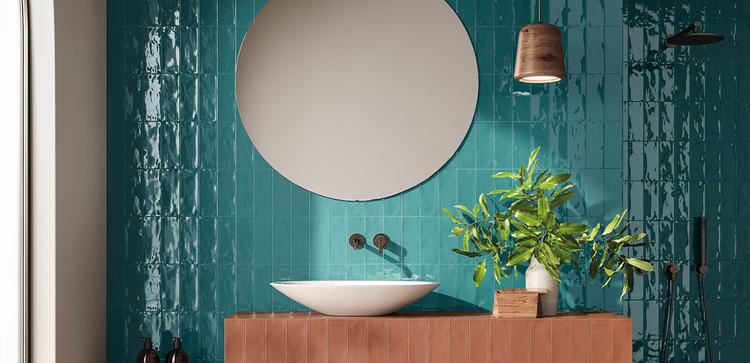
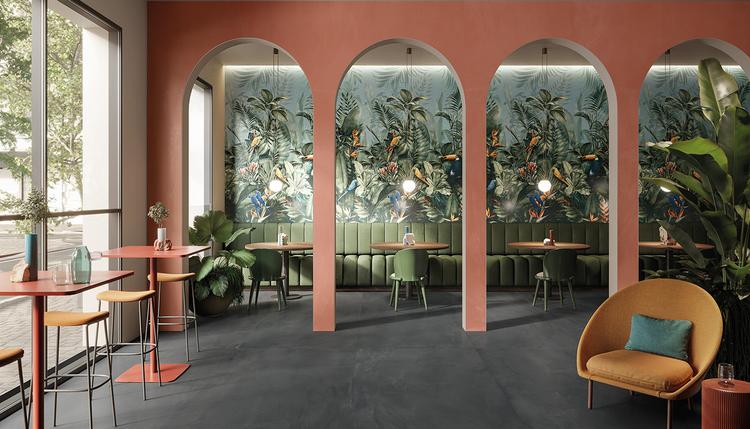
Among the options available on the Emilgroup website, Abacus by Ergon focuses precisely on the expressive strength of color as a vibrant protagonist: mustard, powder, petroleum, amaranth, and lavender are the nuances chosen for this collection, accompanied by textures in relief with suggestions inspired by traditional majolica.
Using wood wall and floor tiles
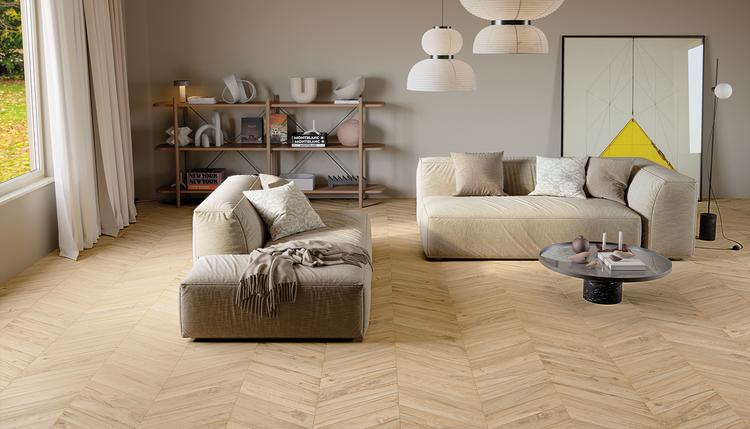
Wood effect tiles are becoming an increasingly popular choice for those who wish to combine the natural beauty of wood with the durability and ease of maintenance of ceramic or porcelain. These tiles can add a touch of warmth and naturalness to interiors, creating a welcoming and comfortable environment. On the floor, these tiles ensure resistance and durability, making them ideal for high-traffic areas. Pairing wood effect tiles on both surfaces can also create a sense of visual continuity that enlarges spaces and makes them more integrated.
No matter what atmosphere you want to create in your home, for any need, you can always rely on Emilgroup: on the website, you can find a wide range of porcelain stoneware tiles perfect for every environment.
Collections used in the project




Related Articles


Any Questions?
If you are looking for the ideal covering for your home or business or you have any questions about our collections, don’t hesitate to get in touch! Together we’ll find your perfect bespoke solution!
If you are looking for the ideal covering for your home or business or you have any questions about our collections, don’t hesitate to get in touch! Together we’ll find your perfect bespoke solution!
Enter the Emilgroup world!
Stay up to date with the latest news from the world of ceramics. Find out about our new collections, events and innovative applications of porcelain stoneware.