How to choose the right floor tile size: the complete guide
19 giugno 2026
Selecting the right tile dimensions involves much more than just a simple style choice. It dictates the perceived volume of a room, the seamlessness of the floor, the frequency of grout lines, and the technicalities of the entire installation.
This guide breaks down:
- standard industry formats and how they compare;
- the most effective sizes for specific rooms;
- grout joint planning;
- geometric laying patterns including herringbone;
- the core design logic for picking the right format.
What are the standard floor tile sizes?
Standardized sizes vary depending on the architectural intent and the specific space. Emilamerica's catalog is organized into five main format categories, each with a distinct purpose:
- Small format tiles (2¾"×5¾" to 12"×12"): the classic size for mosaics, decorative inserts, shower floors, and feature walls;
- Medium scale (12"×24" to 24"×24"): the most versatile range for everyday residential interiors;
- Large format tiles (6"×36" to 36"×72): designed for contemporary, seamless interiors and indoor-outdoor continuity;
- Extra-large (48"×48" to 48"×110"): statement surfaces with minimal visual breaks;
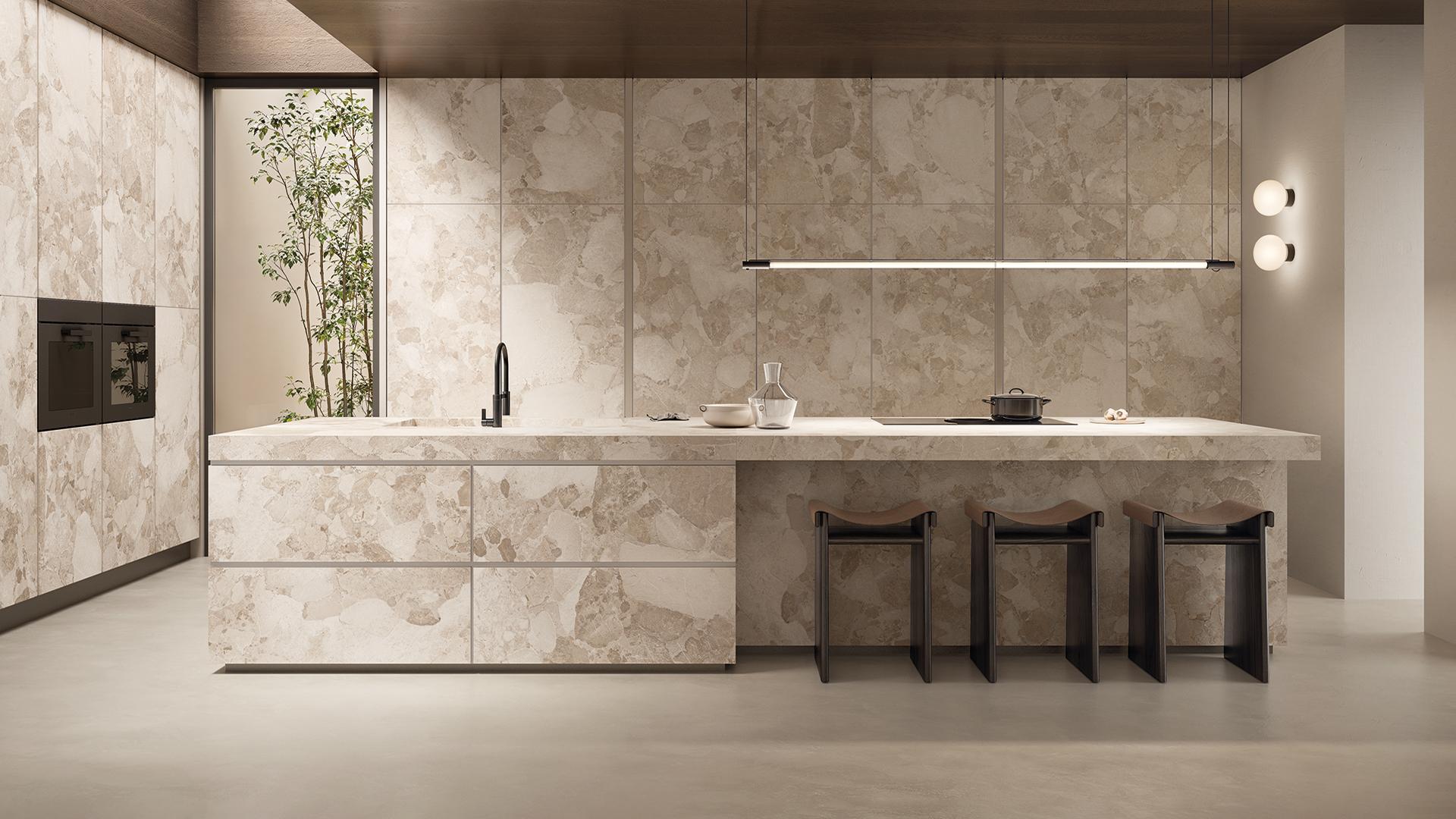
- Countertop slabs (from6 3"×126"): premium slabs used for kitchen tops, islands, backsplashes, and bespoke furniture.
| CATEGORY | SIZE RANGE (inches) | SIZE RANGE (cm) |
|---|---|---|
| SMALL FORMAT (Best used for: Shower floors, mosaics, decorative inserts, backsplashes) |
2¾"×5¾" - 12"×12" | 7×15 — 30×30 cm |
| MEDIUM FORMAT (Best used for: kitchens, bedrooms, everyday residential flooring.) |
12"×24" - 24"×24" | 30×60 - 60×60 cm |
| LARGE FORMAT (Best used for: Contemporary interiors, open-plan living, seamless floors) |
6"×36" - 36"×72" | 15×90 - 90×180 cm |
| EXTRA LARGE SLAB (Best used for: statement floors, wall cladding, architectural surfaces) |
48"×48" - 48"×110" | 120×120 - 120×278 cm |
| COUNTERTOP SLABS (Best used for: Kitchen countertops, islands, vanity tops) |
63"×126" | 160×320 cm |
How tile size affects the look and feel of a room
A tile's size redefines a room's proportions. Grout frequency and installation angles influence how we perceive light and space as much as furniture or wall colors.
Contrary to common belief, oversized tiles can work well in tight rooms: fewer grout joints mean fewer visual interruptions, making cramped areas feel broader. The key is finding a format proportionate to the room's footprint, not chasing the largest tile available.
Small formats serve a different purpose. In expansive spaces, they add rhythm and artisanal texture, ideal for Mediterranean or traditional interiors where the floor becomes a design feature rather than a silent backdrop.
Rectangular formats are powerful tools for spatial manipulation. Laid lengthwise, they elongate perspective; laid crosswise, they "push out" narrow walls. This makes them perfect for hallways, long kitchens, or bathroom feature walls.
During planning, the 3-4-5 rule helps installers ensure 90° corners. Based on Pythagorean geometry, it provides precise reference lines that prevent layouts from drifting at the edges.
Best floor tile size by room: a room-by-room guide
Finding the right format requires looking at both the function and the footprint of the space. Whether you are dealing with a bathroom, kitchen, or an open-plan living area, the priorities shift between visual flow, safety, and maintenance.
Best tile size for bathroom floors
The best tile sizes for bathroom floors are 12"×24" and 24"×24" for standard rooms, smaller formats or mosaics for shower zones, and 24"×48" or larger for master suites.
Bathroom design balances aesthetics and technical performance. In standard or small bathrooms, 12"×24" or 24"×24" formats minimize grout lines without feeling out of scale with the fixtures.
Shower zones follow different logic: smaller formats like 4"×4" or mosaics handle drainage slopes more easily, and their additional grout joints improve slip resistance on wet surfaces.
For master suites or spa-style bathrooms, 24"×48" or 48"×48" formats create continuous, relaxing surfaces that enhance stone, travertine, or concrete looks. The Dual Travertine by Emilceramica collection is a notable example. Its 10×10 format allows for a textured, authentic travertine look that fits both minimalist and high-drama bathroom designs.
Best tile size for kitchen floors
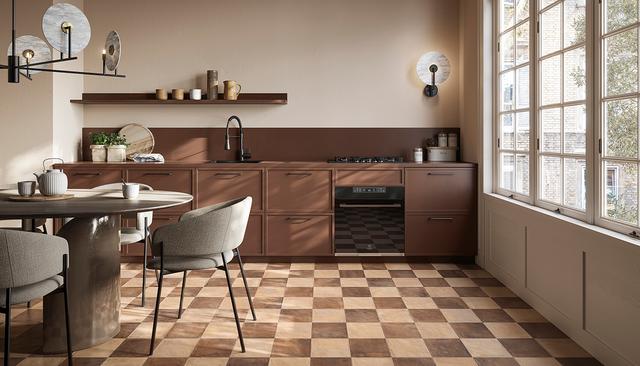
The best tile size for kitchen floors is large format — 24"×48", 32"×32", or 36"×36" — because fewer grout joints make cleaning easier. In compact kitchens, 12"×24" or 24"×24" offer a better balance between proportion and practicality.
Kitchens face constant exposure to moisture, stains, and heavy foot traffic, so large-format tiles are the most practical contemporary choice: fewer joints mean less dirt build-up and simpler maintenance.
In open-plan layouts, larger tiles also create visual continuity between kitchen, dining, and living areas. In smaller kitchens, medium formats keep proportions comfortable without overwhelming the room.
Best tile size for living rooms and open-plan spaces
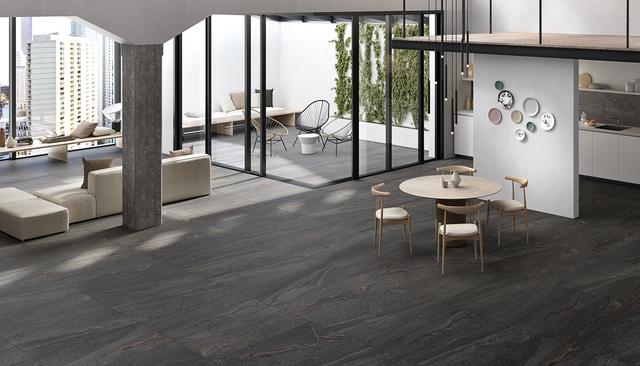
Modern homes often merge the living, dining, and kitchen areas into one fluid zone. In these large-scale environments, oversized slabs are the most effective way to anchor the design.
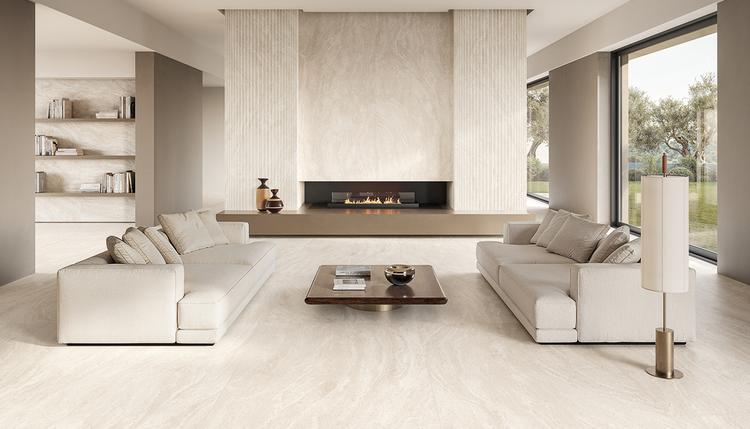
Using formats like 48"×48" or 48"×110" results in an architectural, orderly floor with very few visible joints. This is especially beneficial for stone, marble, or concrete-look materials, as the larger surface area allows the natural veining and depth of the pattern to show through uninterrupted. The Level Marmi series, for instance, utilizes these large slabs to turn the floor into the primary focal point of the room.
Best tile size for herringbone patterns
For herringbone layouts, the best tile sizes are rectangular formats with a length-to-width ratio between 1:2 and 1:3, such as 2"×12" or 8"×48". Elongated proportions are essential: square tiles can't deliver the same rhythm.
A herringbone layout adds geometric character to any home, but its success depends entirely on tile proportions and careful calculation.
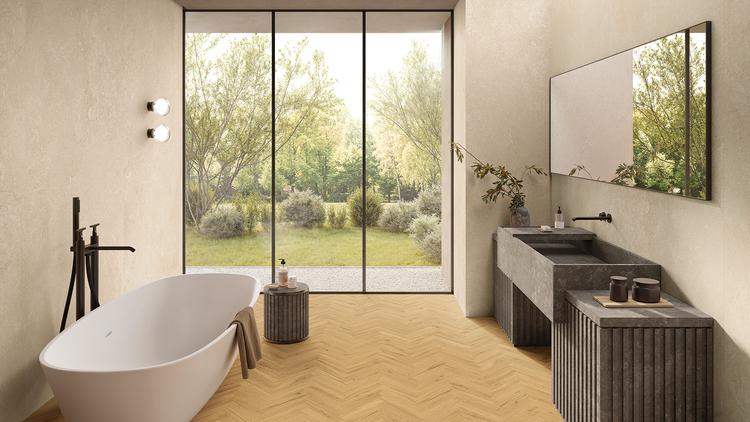
For those seeking a refined wood aesthetic, the W-Circles collection by Provenza offers a sophisticated ceramic interpretation of wood rings that pair beautifully with these geometric layouts.
Grout joint size for floor tiles: what you need to know
Grout joints aren't just aesthetic: they ensure floor stability by accommodating minor structural movements and keeping tiles aligned.
Joint width depends on the tile's edges. Rectified porcelain, used across Emilamerica collections, features perfectly squared edges that allow very thin joints — usually 1/16" to 1/8" (1.5 mm to 3 mm), the standard for a seamless modern look.
Smaller formats and mosaics can use narrow or slightly wider joints depending on the style. In wet zones like showers, a higher joint frequency actually improves floor grip.
Visually, narrow joints create a monolithic surface, while wider joints emphasize each tile's geometry.
Different tile sizes in the same space: can you mix them?
Yes, mixing tile sizes in the same room is an effective design strategy to define functional areas without changing material, adding a layer of rhythm to the floor.
The key is careful planning. Common effective combinations include:
- 24"×24" with 12"×12" inserts;
- 24"×48" paired with 8"×8" or 4"×4" details;
- large slabs combined with mosaic strips to delimit transition zones.
In open-plan homes, narrow formats like 2"×12" can also "frame" a kitchen or living area as a decorative border. In these layouts, grout lines must align perfectly at transition points to keep the design looking deliberate and professional.
This approach makes it possible to create parquet-inspired or modular floors while combining different materials and surfaces.
How to choose the right tile size: A quick decision framework
The right choice lies at the intersection of lighting, room volume, and daily function. There's no single "perfect" size — only the format that best serves the project.
Step 1 — Assess square footage and natural light. In dark or small rooms, avoid massive slabs that overwhelm the space: 24"×24" or 12"×24" offer balance with minimal grout. In bright, expansive interiors, 36"×72" or 48"×110" slabs deliver the most architectural feel.
Step 2 — Prioritize safety in wet areas. Smaller tiles or mosaics on shower floors improve grip and accommodate drainage slopes. On walls, larger formats stay cleaner and easier to maintain.
Step 3 — Match the format to the layout. Patterns like herringbone need specific rectangular ratios, between 1:2 and 1:3 for tighter patterns, up to 1:6 for elongated planks.
Step 4 — Think continuity. In open-plan homes, use a single format across zones for visual flow, or alternate two coordinated sizes to gently define functional areas.
The goal is selecting a format that highlights the room's character and light. The Emilamerica catalog offers an extensive range of formats, finishes, and colors to meet diverse architectural needs.
Frequently asked questions
What is the most popular floor tile size?
The most popular sizes today are 24"×24" and 24"×48", balancing contemporary aesthetics with practical installation. Larger formats above 48" are growing rapidly in residential and high-end projects.
Do large tiles make a small room look bigger?
Yes. Larger tiles reduce visible grout lines, minimizing visual interruptions and creating a more continuous, expansive floor. Just choose a format proportionate to the room rather than the largest available.
What tile size is best for a small bathroom?
12"×24" or 24"×24" is the most balanced choice. These sizes keep the floor visually clean without overwhelming the space, while smaller formats or mosaics work best on the shower base for slip resistance.
Can I use the same tile size indoors and outdoors?
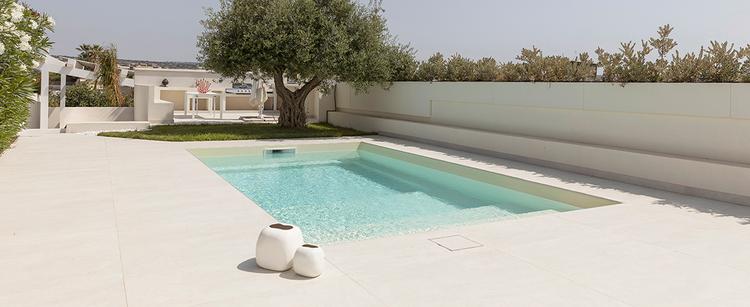
Yes — many Emilamerica collections are available in coordinated 9 mm indoor tiles and 20 mm outdoor pavers, allowing seamless visual continuity between interior floors and patios, terraces, or pool decks.
What is the largest tile size available?
Emilamerica's largest formats are countertop slabs up to 63"×126" (roughly 160×320 cm), designed for kitchen tops, backsplashes, and bespoke architectural surfaces.
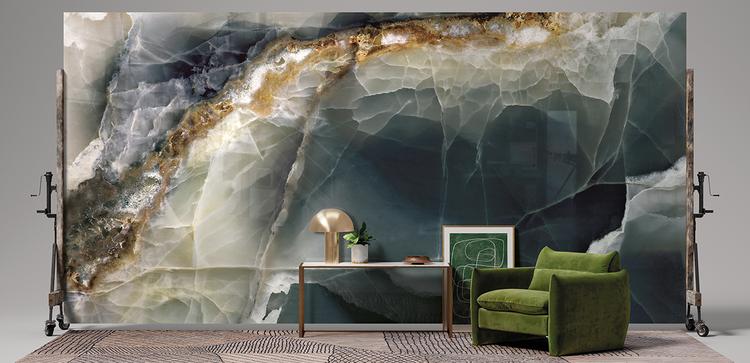
Collections used in the project



Related Articles

Any Questions?
If you are looking for the ideal covering for your home or business or you have any questions about our collections, don’t hesitate to get in touch! Together we’ll find your perfect bespoke solution!
If you are looking for the ideal covering for your home or business or you have any questions about our collections, don’t hesitate to get in touch! Together we’ll find your perfect bespoke solution!
Enter the Emilgroup world!
Stay up to date with the latest news from the world of ceramics. Find out about our new collections, events and innovative applications of porcelain stoneware.